Huey
W. Huang - Sam and Helen
Worden Professor Emeritus
Department of Physics &
Astronomy - Rice University
hwhuang@rice.edu - phone:
713-348-4899 - fax: 713-348-4150
Soft-Matter
PhysicsA lipid bilayer is a
two-molecule-thick, flexible,
two-dimensional fluid with
many internal degrees of
freedom.Peptide interactions
can induce local structural
changes in the bilayer.Elucidation of such
structural changes and the
associated energetics is the
key for understanding the
biological consequences of
membrane-active peptides.
Highlights
of our research include
developing the methods of
oriented circular dichroism,
X-ray and neutron in-plane
scattering, anomalous
diffraction for membrane
structures and method of giant
lipid vesicles with peptides.Highlights of our
discoveries include the
toroidal pores,
membrane-thinning effect,
lipid extracting effect,
peptide orientation change in
membranes, structure of the
membrane fusion intermediate
state stalk, structure of a
pre-stalk intermediate state,
crystal structures of
barrel-stave pores and
toroidal pores.
BiologyThe lipid bilayer of a
cell membrane is the target of
membrane-active peptides
including antibiotics and beta-amyloid
proteins.Peptide-membrane
interactions are the mechanisms
of several new structural
classes of antibiotics and the
key for understanding the
amyloid diseases, including
Alzheimer’s and type II
diabetes.
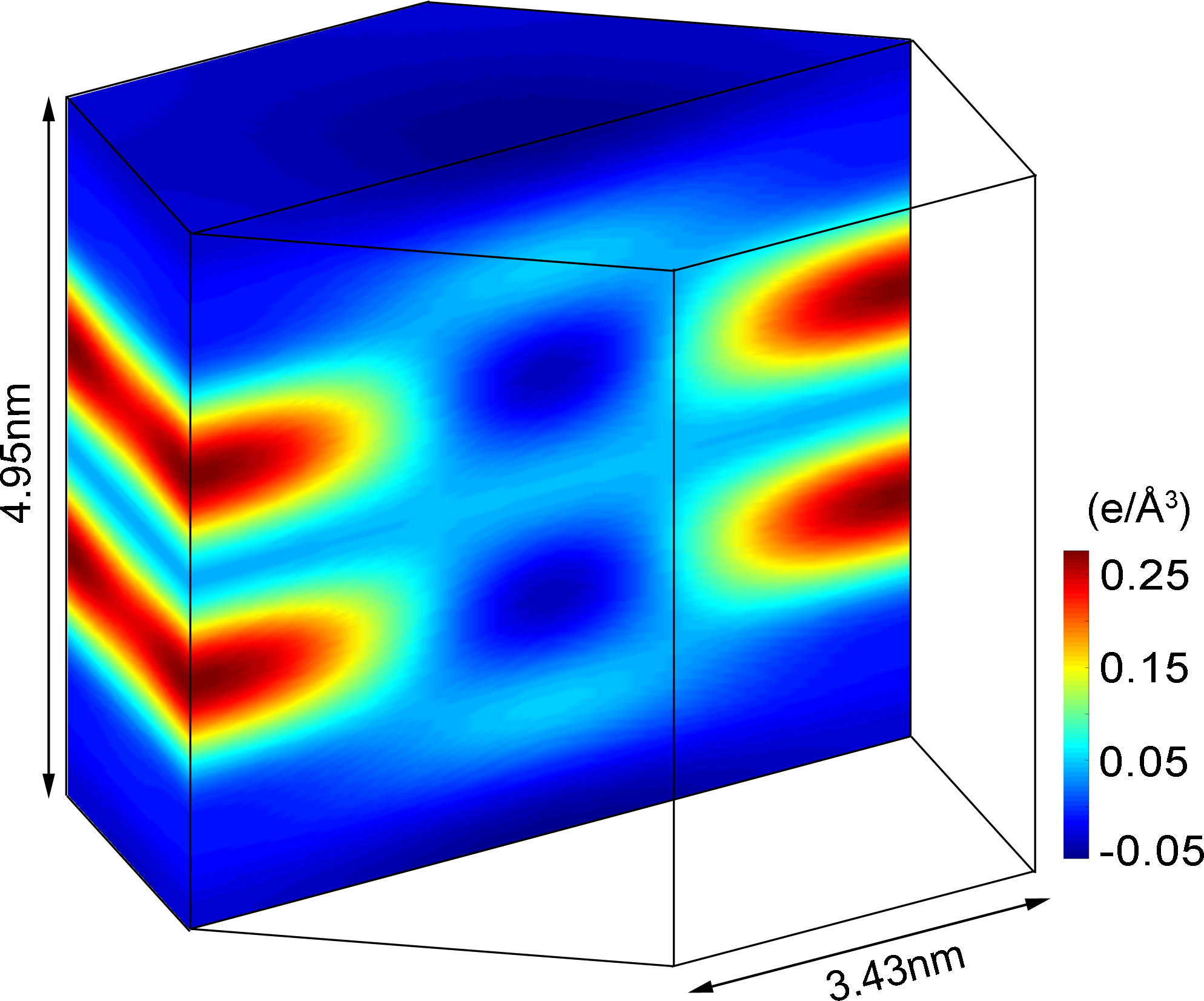
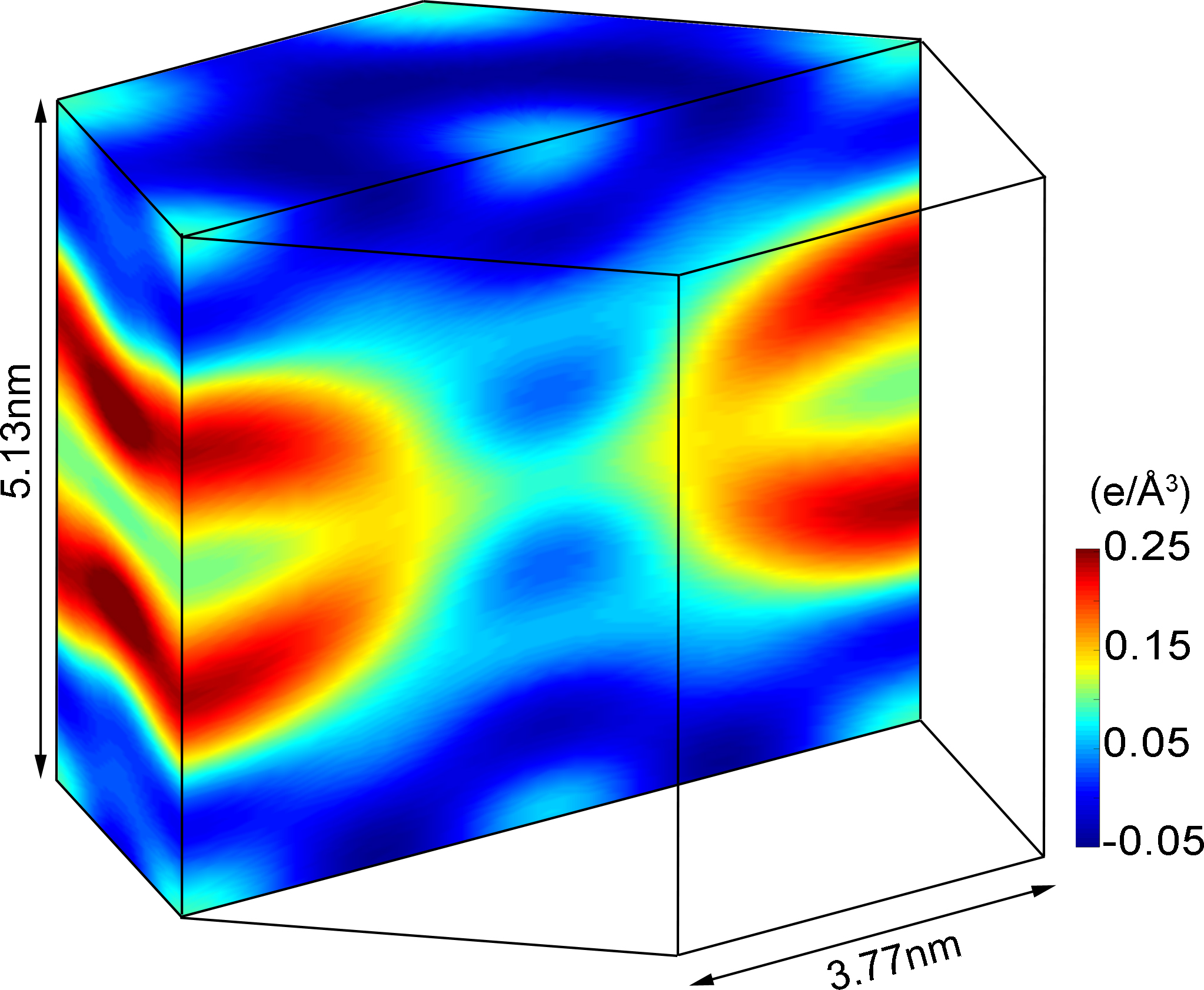
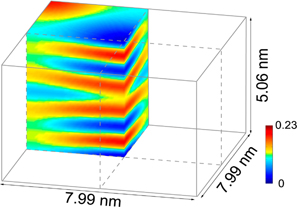
X-ray
electron density of
alamethicin pore, melittin
pore and the contact state of
two bilayers before
hemifusion.
A
lipid vesicle exposed to
Melittin.
A lipid vesicle exposed to
Daptomycin.
Hemifusion
between two lipid vesicles.